Apr 02, 2026
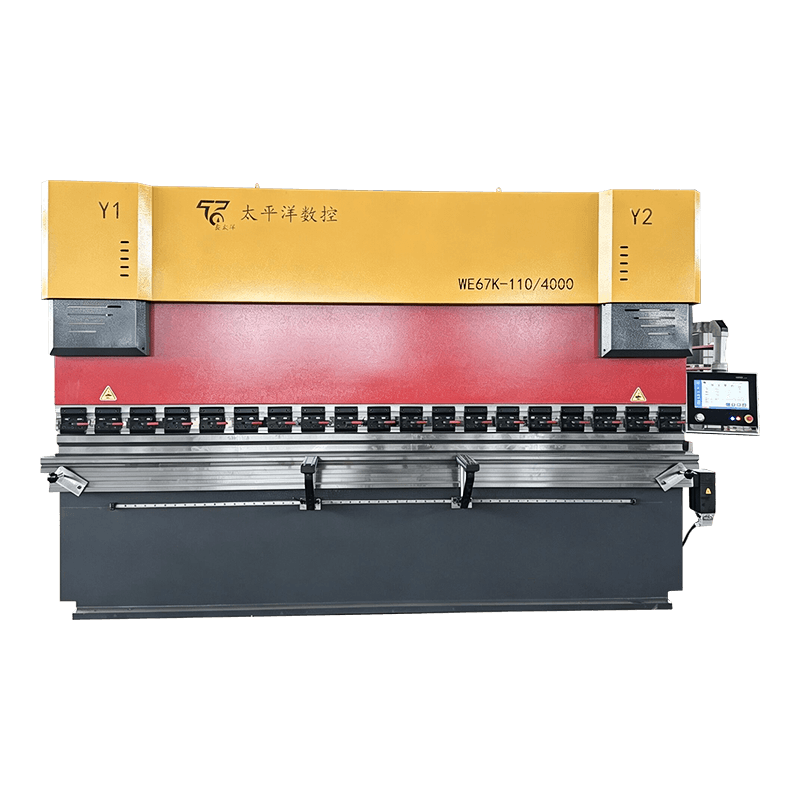
Every operator of a 유압 벤딩 머신 must follow a defined set of safety precautions before, during, and after each bending operation — including PPE requirements, machine inspection procedures, workpiece handling protocols, and hydraulic system checks. Failure to observe these precautions is the leading cause of crush injuries, hydraulic fluid burns, and tooling failures in metal fabrication environments.
This article provides a practical, structured safety guide for hydraulic bending machine users — covering operator preparation, machine setup, in-process controls, and maintenance-related safety, with specific data points and procedural checklists to support real-world application.
No person should operate a hydraulic bending machine without documented training on that specific model. This includes understanding the machine's rated tonnage, stroke limits, tooling compatibility, and emergency stop functions. In most jurisdictions, employers are required to maintain training records and conduct refresher assessments at least annually.
A structured pre-operation inspection takes less than five minutes but identifies conditions that cause the majority of hydraulic bending machine incidents. The following checks should be performed at the start of every shift:
Incorrect tonnage settings are responsible for a significant share of tooling failures and machine overloads on hydraulic bending machines. Never exceed the machine's rated tonnage , and always calculate the required bending force before setup. 에어 벤딩의 표준 공식은 다음과 같습니다.
F (kN) = (1.42 × T² × L × UTS) / V — where T = material thickness (mm), L = bend length (mm), UTS = ultimate tensile strength (N/mm²), V = die opening width (mm).
For example, bending 3 mm mild steel (UTS 400 N/mm²) over a 500 mm length with a 24 mm die opening requires approximately 355 kN (36 tonnes) . Using a machine with less capacity — or applying full force to a partial-length bend concentrated at the center — risks cylinder overload and structural damage.
Understanding where injuries occur on hydraulic bending machines helps target preventive measures. The chart below shows the distribution of reported injury types in press brake operations based on industry safety data.
Distribution of reported injury types in hydraulic bending machine operations (industry safety data)
Hand and finger crush injuries account for 42% of all incidents — nearly all of which occur when operators position or adjust the workpiece while the ram is in motion, or when foot pedal controls are not properly guarded against accidental activation.
The bending cycle itself — from workpiece positioning to ram return — contains the highest concentration of hazard exposure time. These procedures must be followed on every cycle without exception:
The hydraulic system of a bending machine operates at pressures typically between 200 and 350 bar . A pinhole leak in a hydraulic hose at this pressure can inject fluid through skin — a medical emergency known as hydraulic injection injury that requires immediate surgical intervention.
| Check Item | 방법 | Interval | 실패 시 조치 |
|---|---|---|---|
| Hydraulic fluid level | Sight glass visual check | 매일 | 충전; investigate loss source |
| Hydraulic fluid condition | Color and odor check; 실험실 샘플 | 2,000시간마다 | Replace fluid; 플러시 시스템 |
| Hose and fitting integrity | Visual inspection (never use hands) | 매일 / after incident | 종료하세요. replace before restarting |
| 릴리프 밸브 설정 | Pressure gauge at rated load | 6개월마다 | Adjust to manufacturer specification |
| 필터 요소 상태 | Differential pressure indicator | 500~1,000시간마다 | 필터 요소 교체 |
Always depressurize the hydraulic system before performing any maintenance on hoses, valves, or cylinders. Use cardboard — not hands — to locate suspected hydraulic leaks. Never operate a hydraulic bending machine with a known hydraulic leak.
Modern hydraulic bending machines are equipped with safety systems designed to halt ram travel immediately if a hand or object enters the hazard zone. These systems include laser safety systems (LSS), light curtains, and muting zones that allow safe workpiece positioning while maintaining protection during the closing stroke.
Laser safety systems on press brakes detect objects as small as 직경 8mm within the protected zone and stop the ram within 6mm 이동 at standard bending speeds. However, these systems only function correctly when:
Never bypass, disable, or cover any safety guard or sensing system on a hydraulic bending machine, regardless of production pressure. Operating a press brake with a defeated safety system is both a regulatory violation and the primary contributor to severe hand injuries.
All maintenance, tooling changes, and adjustments to the hydraulic bending machine must follow a Lockout/Tagout (LOTO) procedure that isolates and de-energizes the machine completely. This applies to both electrical and hydraulic energy sources.
The correct LOTO sequence for a hydraulic bending machine:
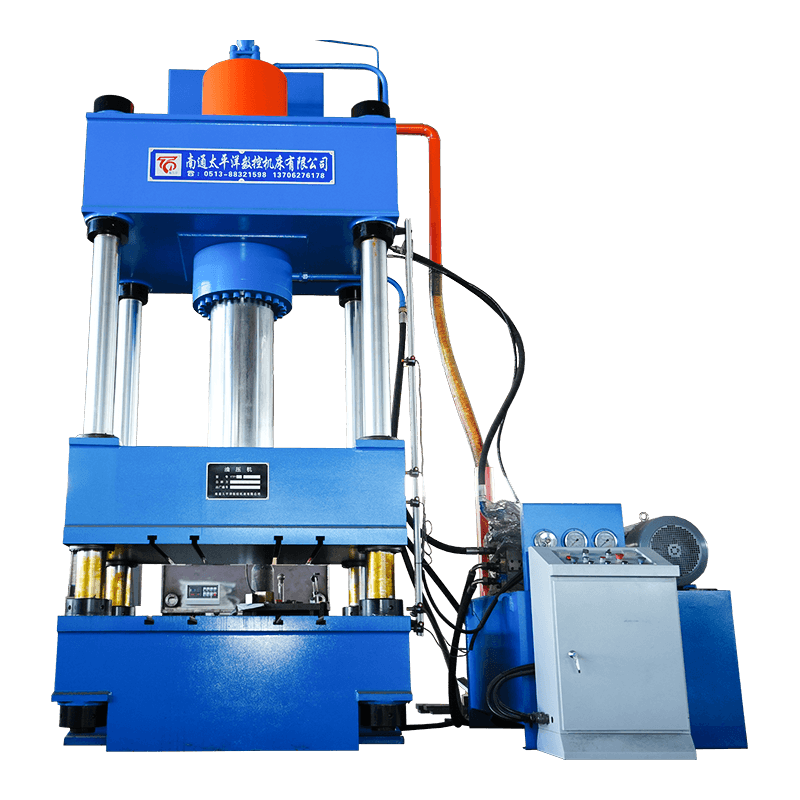
Nantong Pacific CNC Machine Tool Co., Ltd. is a key enterprise of the national machinery industry, located in Haian Economic and Technological Development Zone, where the environment is beautiful and the traffic is convenient — facilitating rapid communication between enterprise and customer. The company is fully equipped, specializing in the production of shearing machines, bending machines, rolling machines, hydraulic presses, punching machines, and other products, widely used across light industry, aviation, shipbuilding, metallurgy, instrumentation, electrical appliances, stainless steel products, construction, and decoration.
전문가로서 China hydraulic bending machine supplier and manufacturer , the company has the capability to design, develop, and manufacture standard series products and non-standard equipment. Products are sold throughout China and exported in large volumes to Southeast Asia, Europe, the United States, and the Middle East. The company covers more than 20,000 평방미터 and employs a group of engineers and technicians with rich professional knowledge, supported by complete production and testing equipment.
Over the years, Pacific Machine Tools has been committed to the research and innovation of forging machine tools, with service branches established in Beijing, Tianjin, Shenyang, Shandong, Zhejiang, Guangzhou, Shanghai, Hangzhou, Chengdu, Xi'an, and Jiangsu — providing comprehensive pre-sale, in-sale, and after-sales support to domestic and international customers. In today's world full of hope and opportunities, Pacific Machine Tools and our customers go hand in hand for common development.
저희에게 연락하십시오
공장 주소
Xichang Industrial Park, Chengdong Town, Haiancity, Nantong City, Jiangsu Province, China
핸드폰
+86-13906278466
QR 코드